Rebranding two handcrafted gift shops for life online
A solo e-commerce rebrand for two Fort Myers gift and souvenir shops, built on buyer psychology, card-sort research, and real shopper interviews.
Freelance project — not currently live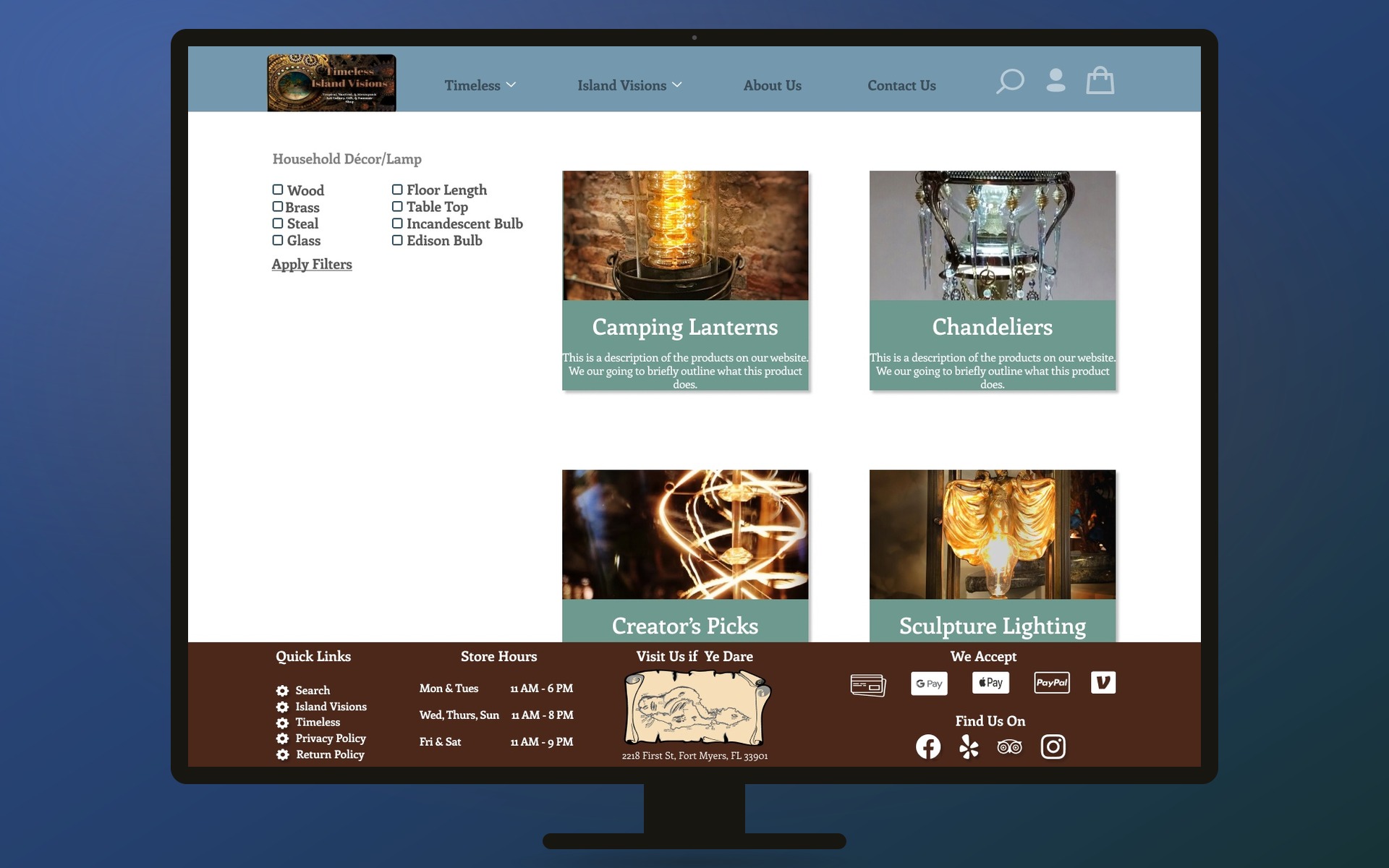
Two stores, one inconsistent presence
Owned by metal artist Steve and his wife, these two shops sell handcrafted steampunk decor and jewelry alongside art and photography from Central Florida artists. Their two store pages were visually inconsistent — harsh on the eye — the site itself was incomplete, and a confusing product-category layout made the handcrafted inventory hard to find or trust.
Context mattered here: per Alibaba.com, 93% of companies were conducting some business online at the time of research, up from 90% in December 2019 — reinforcing the need for a real e-commerce presence to carry the business through slower in-person foot traffic.
Four features built around trust
- About the artist / process — showing Steve's (and other artists') craft process to build quality confidence.
- Card-sort categorization — the 11 categories shoppers actually use, for easier discovery.
- Direct contact everywhere — a contact area and phone number on every order page for customers who prefer to talk to someone.
- Simplified returns — clear CTAs in order history and multiple return options.
Usability testing with 3 local shoppers over 3 days led to three iterations: adding an "About the Artist" blurb with links to artist sites to build trust in quality; adding tracking numbers and the return policy directly to order receipts to boost purchase confidence; and trimming redundant nav dropdowns after shoppers found navigation thorough, but occasionally confusing.
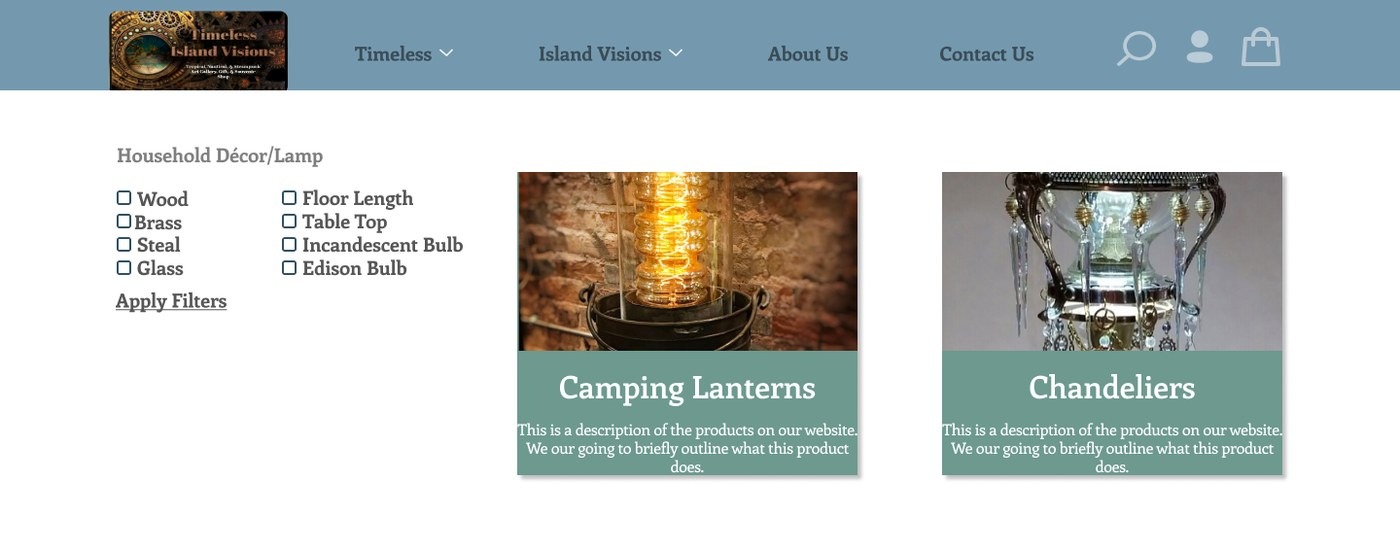
Card-sort-informed category page, with material and style filters
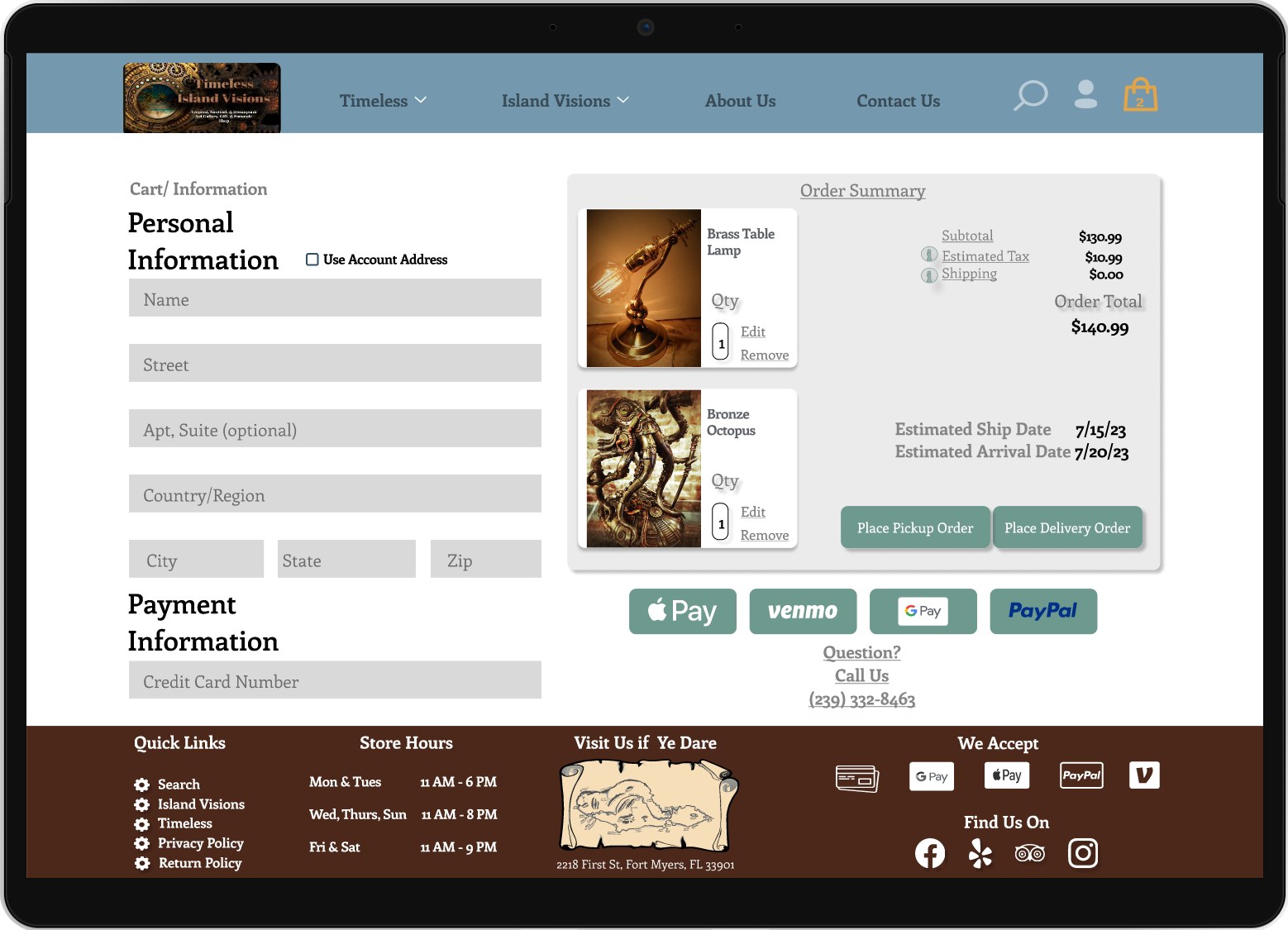
Checkout — local pickup or delivery, with direct contact for questions
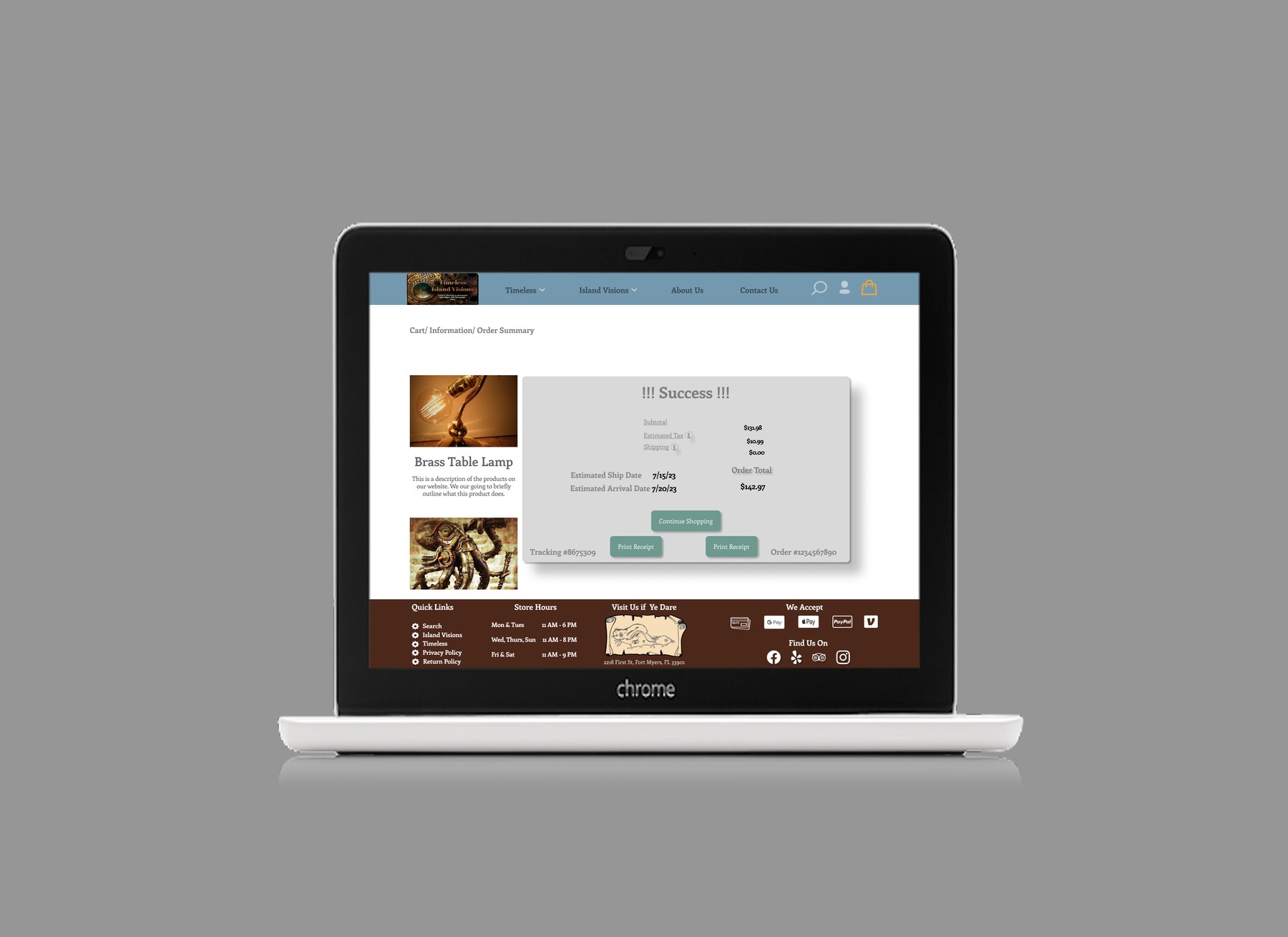
Order confirmation — tracking number and receipt surfaced immediately
Buying as more than a transaction
Research applied Maslow's Hierarchy of Needs — via a framework from a LinkedIn piece by Dirk Zadra — to niche and art purchases: Love/Belonging (feeling connected through a purchase), Esteem (access to limited or expert-endorsed items), and Self-Actualization (especially for gift-givers seeking a meaningful connection to the recipient).
5 local shoppers interviewed
On gift-buying habits, frequency, and frustrations. Gift-givers buy year-round once they find the right item; 3 of 5 said they'd travel long distances for exclusive offers; 4 of 5 said money shouldn't be the deciding factor in a gift — understanding the recipient matters more.
Open card sort, 12 participants
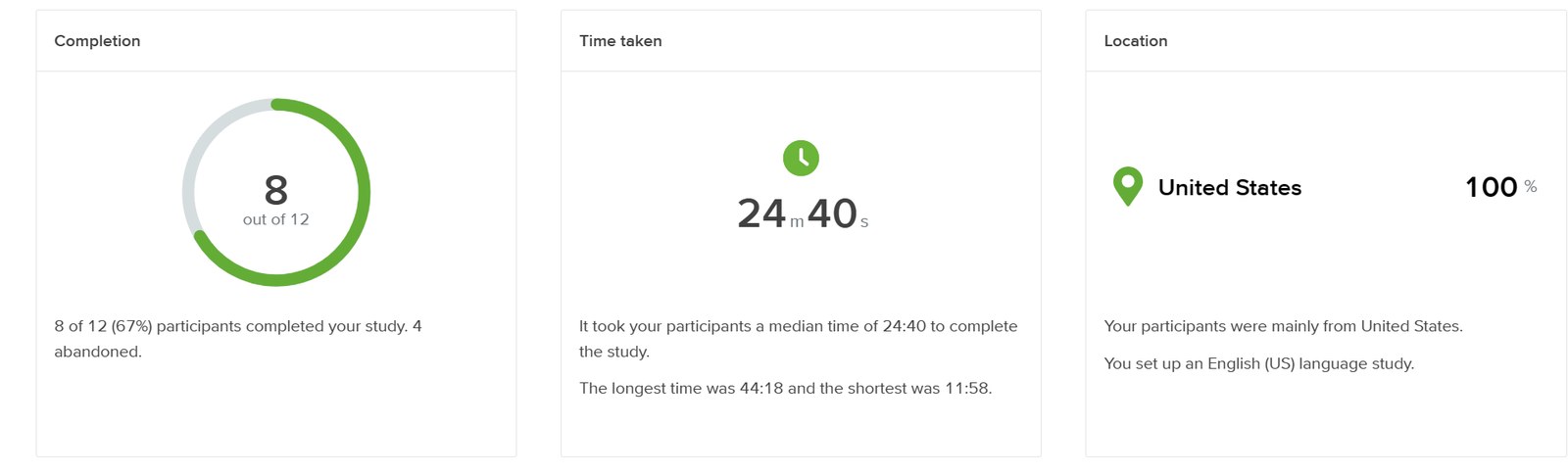
Narrowed the product catalog into the 11 most common categories shoppers actually used to organize the new site's navigation — 8 of 12 participants completed the sort, in a median time of 24:40.
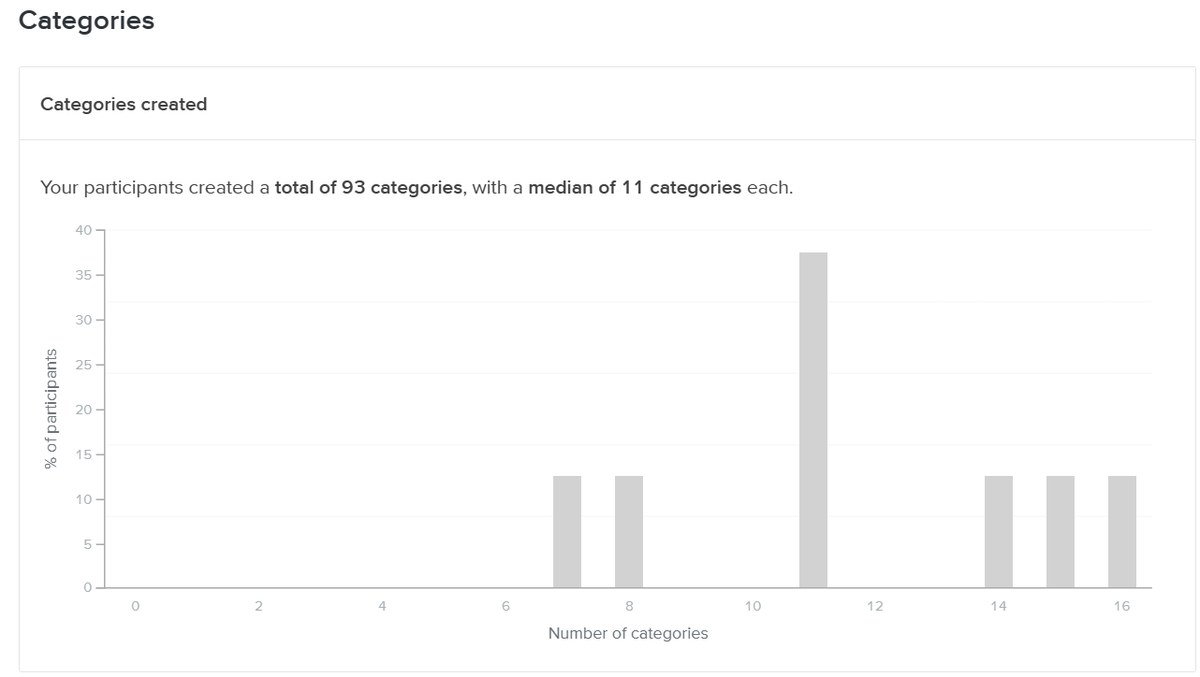
Competitive analysis benchmarked the shop against Etsy, Amazon, Temu, and Kay Jewelers across warranty, return policy, shipping, and payment options — real retailer policies, not assumptions. A SWOT analysis highlighted the shop's small-town ownership as a genuine advantage against the larger players' impersonal scale.
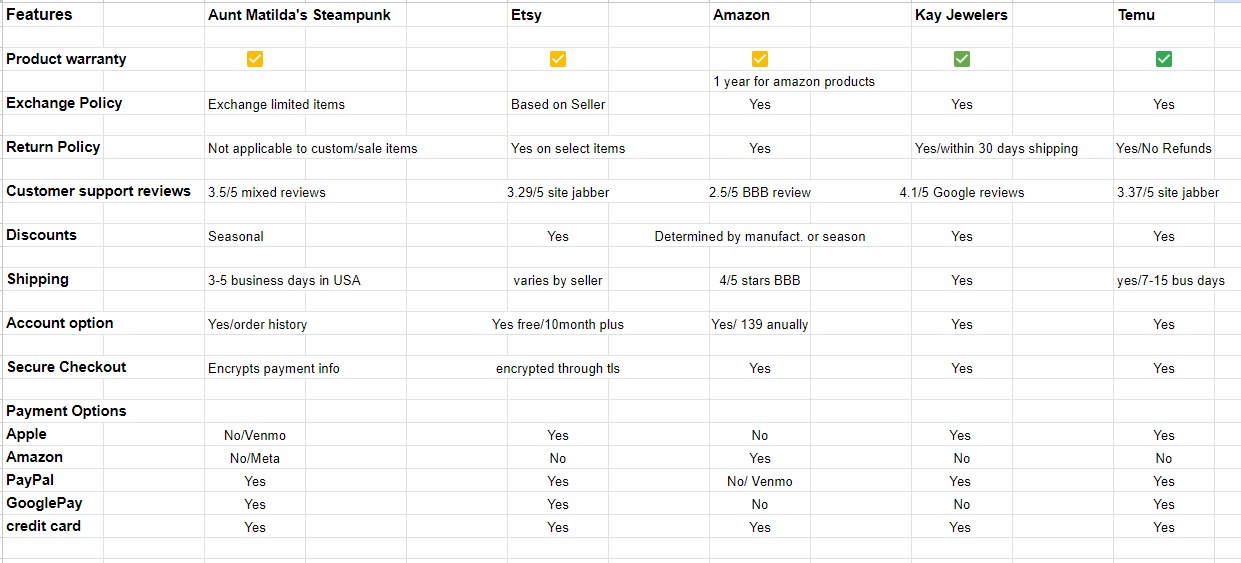
Feature-by-feature competitive comparison, used to prioritize what the new site needed to match or beat
From browse to checkout, charted end to end
The card-sort results were mapped into full site-navigation and purchase-workflow diagrams for both stores — tracing every path from the homepage through category filtering, product selection, and checkout — to make sure the new information architecture actually held up under real shopping behavior before it was built.
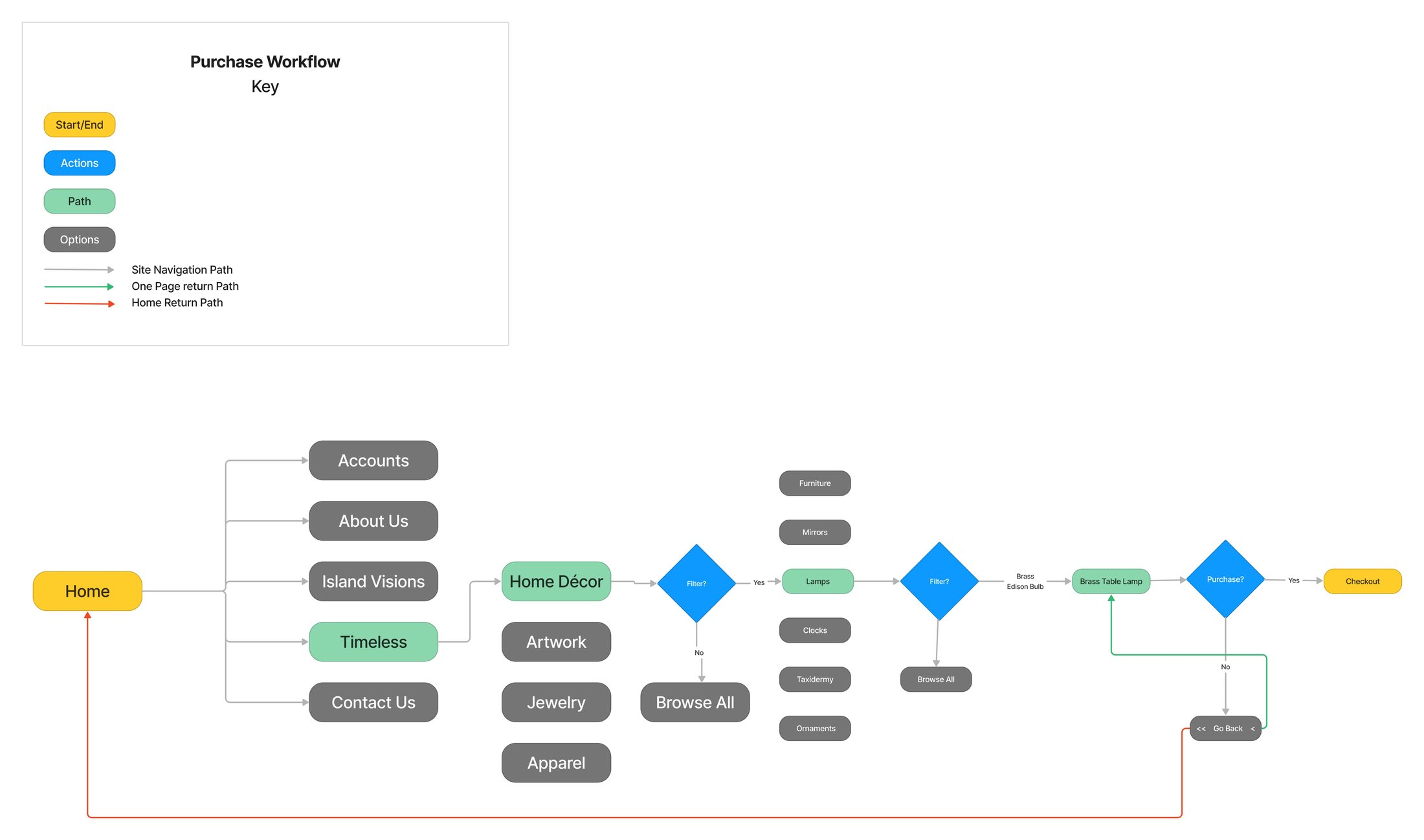
Timeless (decor & collectibles) purchase workflow
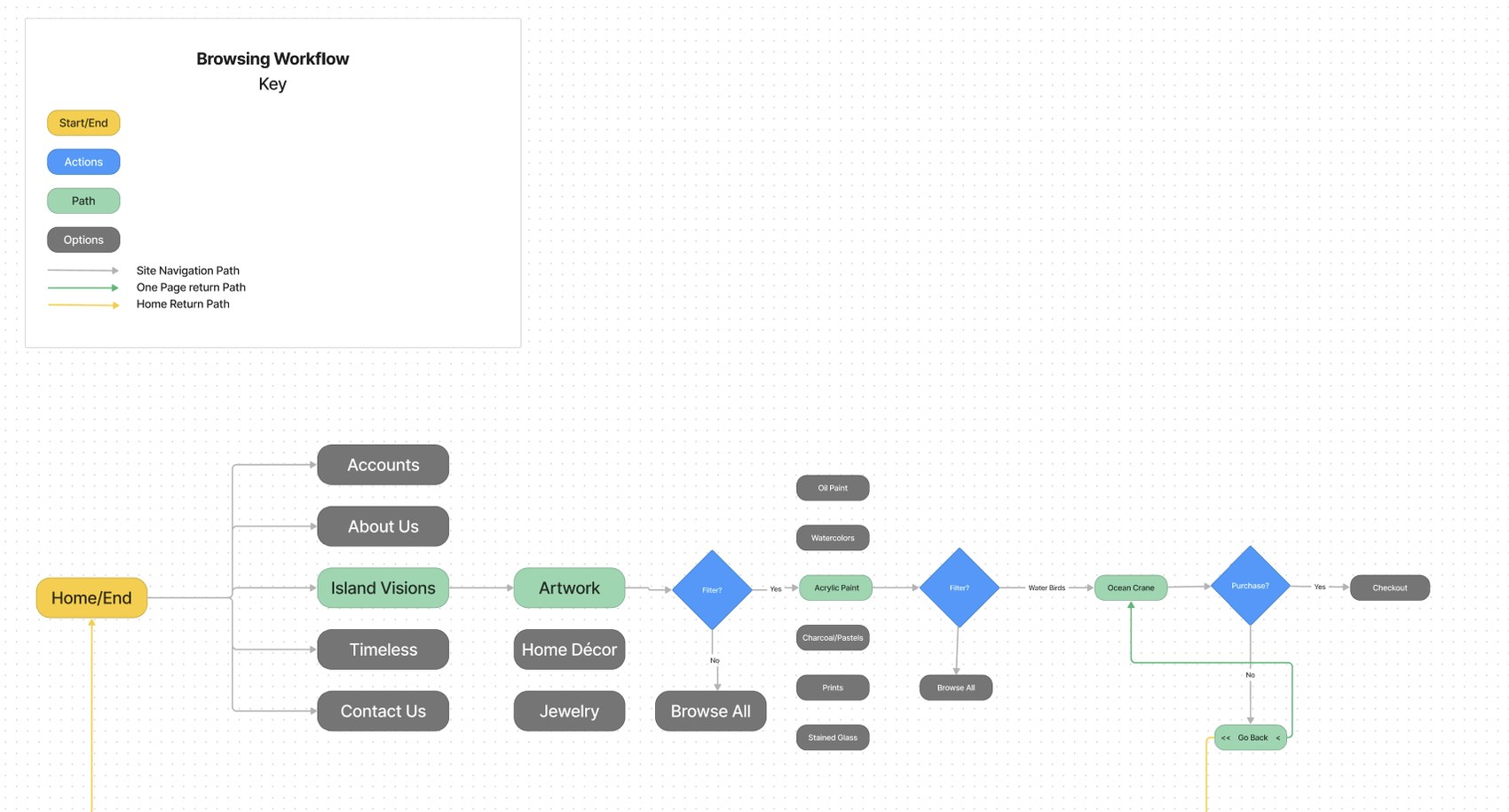
Island Visions (art & photography) browsing workflow
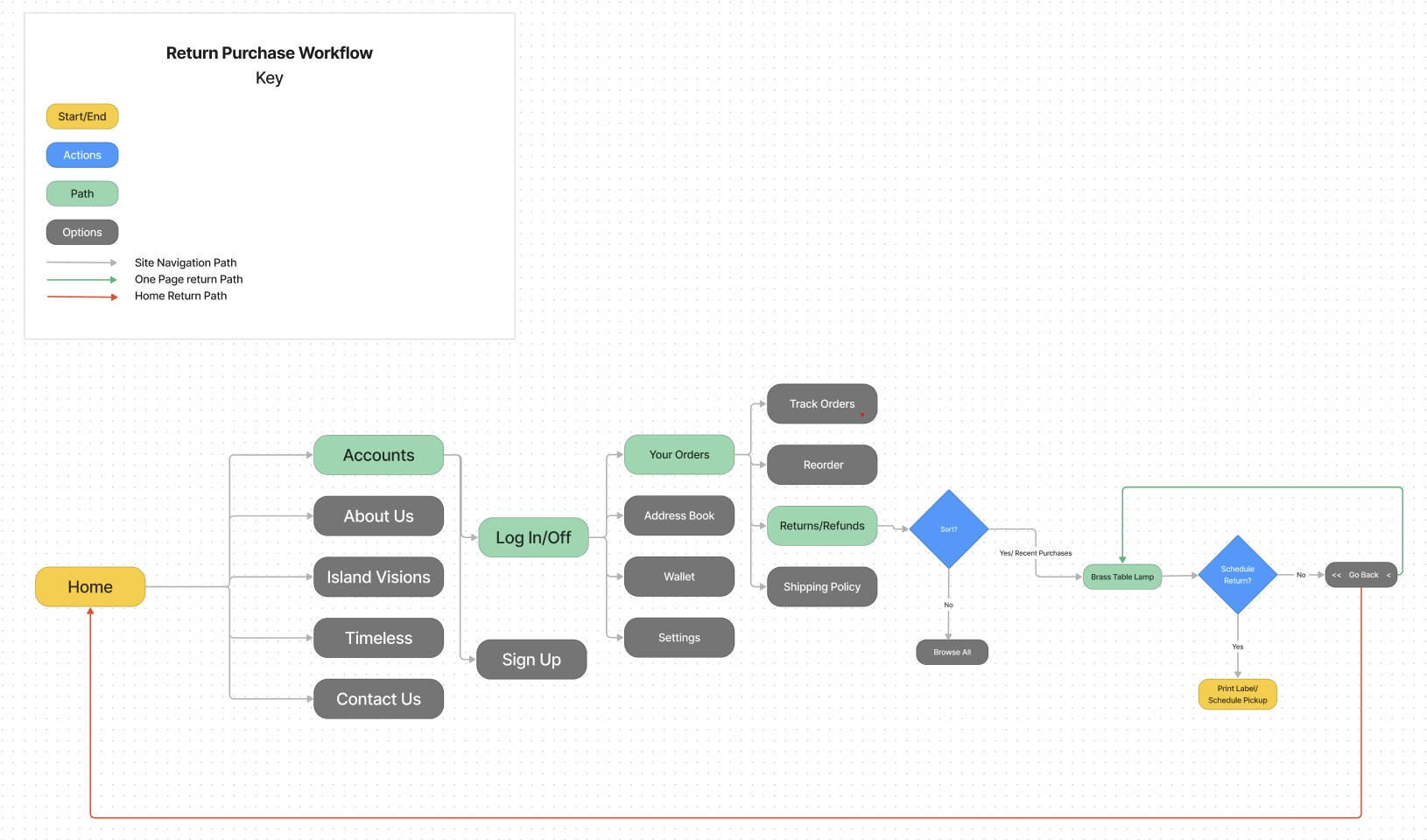
Returns & refunds workflow — the direct source for the simplified-returns solution below
Two shoppers, two very different needs
"The Doting Grandma" — Winry, 70
Grandmother of 4, great-grandmother of 6. "I believe a good gift is not about the price, but the memories it can invoke." Frustrated by impersonal customer service, too many categories on large sites, and shipping or weather concerns. Prioritized for the MVP.
"The Introverted Bargain Hunter" — 40, programmer
Values community-active businesses and genuine product knowledge over crowded big-box stores, and is skeptical of review legitimacy on large sites.
A business, and a reminder of why
This project deepened Figma skills significantly, but more than that, understanding purchase psychology shaped a design that genuinely attracts the target clientele — giving a small shop a real way to compete with larger retailers. It also reinforced the decision to become a UX designer in the first place, through advocating for a local business owner and the independent artists whose work the shop carries.
Future opportunities: a blog or artist-interview section to build community around the shop, and continued testing and iteration as an ongoing practice rather than a one-time launch event.